Hi guys,
Turning 33 has me reflecting on the journey. I’ve gone from a green novice to a grown adult with a family and a kid of my own.
I just ended a series of freelancing, at the same time…
I’m in an indescribable place right now. Words just fall short…
Sad, No, I am not sad. Those issues used to be my problem, but not anymore… I don’t need to suffer emotions from anyone anymore!
Anxious? Yes, my salary sources are cutting down, before, I used to have 3-5 income sources, now, barely holding on to 2.
The reason? You go have a kid, you would know! It’s the exhaustion at the end of every day…
Stress. Multiple to hundreds… I realized that I was too lazy to get out of freelancing to create my own identity. I was supposed to realize the freelancing problems 3 years ago, when I just reached my 30s.
What are the freelance problems?
Freelancing problems are the general idea that you are not feeling good about having more jobs anymore. Yes, the money comes in, you start to have more work relationships, but all of those leave you with nothingness. You don’t have time to build your own identity until it’s too late. Now, you are in your mid-30s, and you’re still figuring out your own identity.
Having freelance jobs is excellent when you are in your 20s. You lack skills, freelancing helps to improve your skills. Do you need more money? Freelancing provides you with at least 2 more sources.
But little do you know, that freelancing fee isn’t worth it if you just use it to pay rent and food. They are expenses, not investments, you gain back nothing from them.
What would I do differently when I first started freelancing 10 years ago?
- Be more aggressive, build my identity early.
- Focus on specific skills, not just wanting to learn everything.
- Choose jobs based on the career path choice, not just for cash.
Do my jobs, but always revert to the big business picture. Doing this isn’t only to develop your management and analysis skills, but also helps your current job as well: every boss loves personnel who actually care about what they’re doing in business, you also gain lots more insights by having a clear business overview.
My advice since I am 33…
The path I outlined above is what I wish I had known earlier. The reality? I am 33, balancing a toddler, a full-time job, and freelance work. I only started building this portfolio - my actual professional identity - two months ago.
If you’re navigating similar chaos, here is what actually keeps you standing:
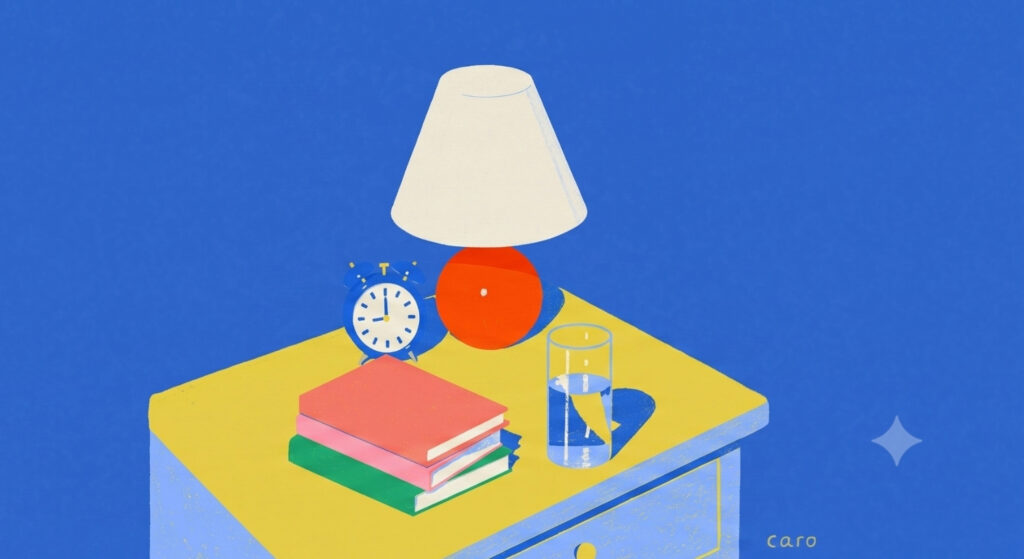
- Prioritize Strict Sleep Hygiene: In bed by 10:00-11:00 PM. An exhausted mind cannot execute strategy or handle daily pressures.
- Enforce Hard Boundaries: 5:00 PM - 8:00 PM is non-negotiable family time. Disconnect entirely from work.
- Shift to Productized Models: Build projects aligned with your genuine interests so you don’t burn out executing tasks you hate.
- Accept Who You Are: This is my harsh, yet liberating reality check.
At 33, I’ve accepted that I may not be a grand visionary built for massive scale. I can handle heavy execution, but my edge lies elsewhere. I stop chasing other people’s definition of success and focus entirely on what I want to do the most (even if I’m not the best at it yet): Writing.

Tips if you’re still in your 20s and start freelancing…
- Treat every freelance gig as a stepping stone to a specific milestone, not your end goal.
- Save and invest a portion of your freelance income specifically into building your own brand or assets.
- Know your exit strategy from active execution into strategy, management, or product ownership before you hit 30.